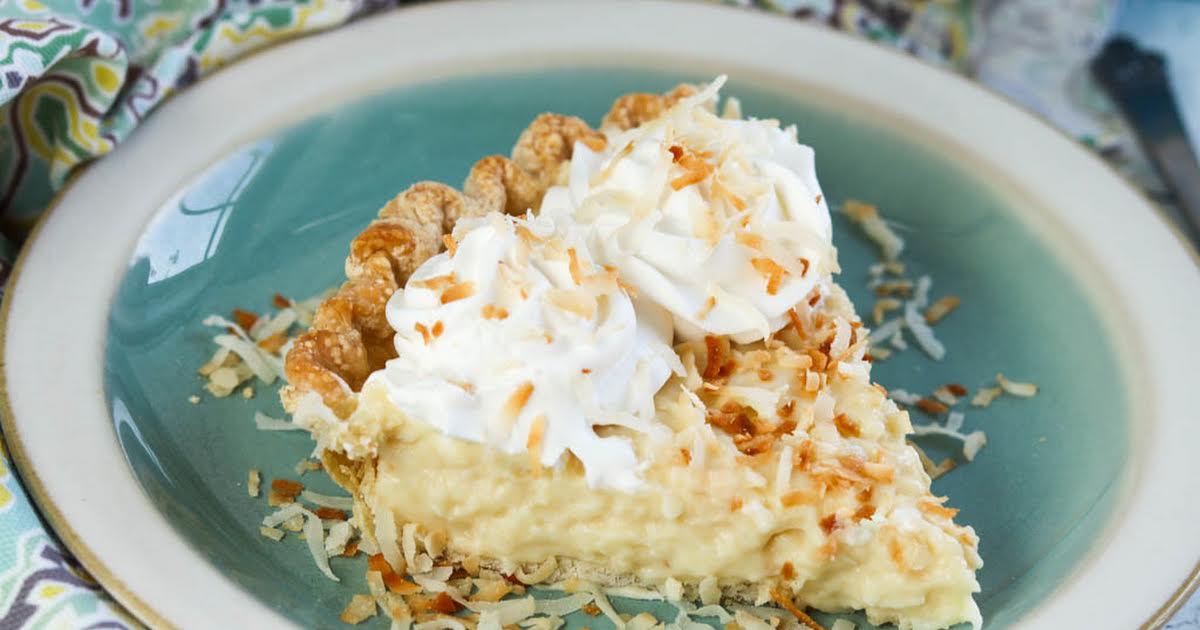
There are some desserts that evoke a powerful sense of nostalgia, a warm embrace of childhood memories and kitchen aromas. Grandma's Coconut Cream Pie is undeniably one of them. Yet, for many who have ventured beyond the sanctuary of a home kitchen, the experience of ordering this classic dessert can often lead to profound disappointment. The elusive perfection of a truly great coconut cream pie, with its velvety custard and rich coconut flavor, seems to have been lost in a sea of shortcuts and inferior ingredients.
This article delves into the heart of what makes an authentic coconut cream pie, moving past the gelatinous imposters and exploring the time-honored techniques that deliver a pie worthy of its "Grandma-approved" title. We'll uncover the secrets to a truly exquisite filling and, perhaps most importantly, tackle the great debate that divides dessert lovers: should this beloved pie be crowned with a cloud of golden meringue or a generous dollop of billowy whipped cream?
The Elusive Perfection: What Defines a True Coconut Cream Pie?
Ask anyone who's truly savored a homemade coconut cream pie, and they'll likely recount a tale of unparalleled richness and a texture that borders on ethereal. This isn't the rubbery, jelly-like consistency found in so many restaurant versions, often thickened with an overzealous hand of cornstarch. No, the hallmark of a genuine, old-fashioned coconut cream pie lies in its velvety, pudding-like custard.
The Filling: The Undisputed Star
The foundation of any exceptional coconut cream pie is its filling. Forget instant puddings, boxed mixes, or canned fillings – these are cardinal sins in the realm of authentic pie making. The secret to that melt-in-your-mouth texture lies in a slow-cooked, from-scratch custard, traditionally thickened with flour rather than cornstarch.
- Flour vs. Cornstarch: While cornstarch can thicken quickly, it often results in that undesirable jelly-like texture. Flour, when cooked slowly and properly, creates a smoother, more velvety, and truly creamy custard that holds its shape beautifully without being stiff or gloopy. It’s a subtle but significant difference that transforms the entire pie experience.
- Slow Cooking is Key: A proper custard base requires patience. Cooked slowly on the stovetop, it allows the flavors to meld and the custard to thicken gradually, resulting in a rich, satisfying consistency that slices cleanly. This method, often found in traditional recipes like those from Amish heritage, uses simple "farmhouse ingredients" to create a depth of flavor that can't be rushed.
- Real Ingredients Only: Milk, eggs, sugar, a touch of flour, vanilla, and plenty of sweet coconut flakes. These are the humble components that, when combined with care and precision, create a filling so good it has remained a top favorite for decades, inspiring rave reviews and loyalty among those who discover its true potential. Finally: The Velvety Old-Fashioned Coconut Cream Pie Recipe shares insights into achieving this perfection.
Meringue vs. Whipped Cream: The Ultimate Coconut Cream Pie Showdown
Once you've mastered the sublime filling, the next crucial decision awaits: to meringue or to whip? This is where personal preference, family tradition, and even regional influences come into play. Both toppings offer distinct experiences, and both have passionate proponents.
The Classic Contender: Golden Meringue
For many, the image of a traditional coconut cream pie is synonymous with a magnificent crown of golden, toasted meringue. This billowy topping, made from whipped egg whites and sugar, offers a delightful contrast in texture and temperature to the cool, creamy custard below.
- A Nod to Tradition: Meringue-topped pies are often considered the "old-fashioned" choice, reminiscent of diner classics and the pies Grandma meticulously crafted. The browning of the meringue in the oven adds a subtle caramelized flavor and a beautiful visual appeal.
- Textural Contrast: The light, airy meringue, especially when slightly toasted, provides a chewy yet delicate counterpoint to the smooth custard. A sprinkle of extra coconut flakes on top of the meringue is a delightful touch.
- Considerations: While stunning, meringue can sometimes "weep" if not made correctly, releasing moisture that can dampen the crust. However, proper technique and a well-sealed custard layer can mitigate this.
The Modern Favorite: Billowy Whipped Cream
On the other side of the debate stands whipped cream – light, fresh, and irresistibly smooth. Many contemporary bakers and pie enthusiasts gravitate towards this simpler, yet equally luxurious, topping.
- Simplicity and Freshness: Real whipped cream (please, no canned stuff!) adds a lightness and freshness that complements the rich custard beautifully. It's often quicker to prepare than meringue, making it a popular choice for home bakers.
- Silky Smoothness: The creamy texture of whipped cream seamlessly blends with the custard, creating an overall sensation of smooth indulgence. A dash of vanilla or even a hint of coconut extract can elevate the whipped cream to new heights.
- Versatility: Whipped cream can be applied just before serving, ensuring its peak freshness and allowing for decorative swirls or dollops. Some find it less heavy than meringue, making for a lighter finish to an already rich dessert.
Ultimately, the choice between meringue and whipped cream comes down to individual taste. Both offer a completely satisfying experience, transforming a simple Amish Coconut Cream Pie: Silky Custard, No Shortcuts into a masterpiece. There's no wrong answer when both options deliver on comfort and deliciousness.
Unlocking the Secret to a Velvety Coconut Custard Filling
Let's revisit the heart of the pie, because no matter your topping preference, a subpar filling will always disappoint. The magic of an old-fashioned coconut cream pie lies in its perfectly executed custard. Here's a deeper dive into crafting that flawless base:
The Art of the Cooked Custard
This isn't just about combining ingredients; it's about a methodical process that transforms simple components into a rich, cohesive filling.
- Ingredient Quality: Start with fresh, high-quality ingredients. Whole milk or even a combination of milk and a touch of heavy cream will yield a richer custard. Fresh eggs are essential for both flavor and thickening power. Use good quality vanilla extract for a clean, aromatic finish, and opt for sweetened, shredded coconut for that classic texture and sweetness.
- The Slow Stir: Whisking continuously over medium-low heat is crucial. This prevents scorching on the bottom, ensures even thickening, and prevents lumps. The mixture will gradually thicken into a glossy, pudding-like consistency. It should be thick enough to coat the back of a spoon.
- Proper Flour Integration: Often, the flour is whisked with sugar and sometimes a small amount of milk or egg yolks before being slowly added to the heated milk. This creates a smooth slurry that integrates seamlessly into the custard base, preventing lumps and ensuring uniform thickening.
- Chilling is Non-Negotiable: Once the custard is cooked and poured into your pre-baked pie shell (a must for avoiding a soggy bottom!), it needs ample time to chill. This isn't just about cooling; it's about allowing the custard to set fully, firming up to that perfect sliceable consistency. At least 4-6 hours, or preferably overnight, in the refrigerator will ensure a pie that holds its shape beautifully.
Tips for Baking a Showstopping Coconut Cream Pie
To truly elevate your homemade coconut cream pie from good to legendary, consider these practical tips:
- Master the Crust: A flaky, tender, pre-baked pie crust is non-negotiable. Blind bake your crust until golden brown to ensure it can withstand the moisture of the custard without becoming soggy.
- Temper Your Eggs: When incorporating egg yolks into the hot custard base, always temper them. Slowly whisk a small amount of the hot custard into the beaten egg yolks before adding the egg mixture back into the main pot. This prevents the eggs from scrambling.
- Flavor Boosters: A splash of rum extract or even a tiny amount of coconut extract can enhance the coconut flavor in the custard. Just be careful not to overdo it!
- Toasted Coconut Garnish: Regardless of your topping choice, a sprinkle of lightly toasted coconut flakes on top adds visual appeal, an extra layer of flavor, and a delightful crunch.
- Serve Chilled: Coconut cream pie is always best served cold. Allow it to chill thoroughly before slicing to achieve clean, picture-perfect pieces.
- Storage Savvy: Store leftover pie in the refrigerator, covered loosely, for up to 3-4 days.
Making a coconut cream pie from scratch is a labor of love, but the reward is immense. It's a journey back to the culinary traditions of yesteryear, a testament to the fact that the best things in life often require patience and genuine ingredients.
Whether you choose the classic elegance of a toasted meringue or the simple luxury of fresh whipped cream, the true heart of Grandma's Coconut Cream Pie lies in its rich, velvety, slow-cooked custard. Embrace the process, savor the aromas, and enjoy the unparalleled satisfaction of creating a dessert that truly embodies comfort, nostalgia, and pure deliciousness. You'll thank yourself for discovering why this pie remains a beloved classic, truly "the recipe you’ve been looking for."
