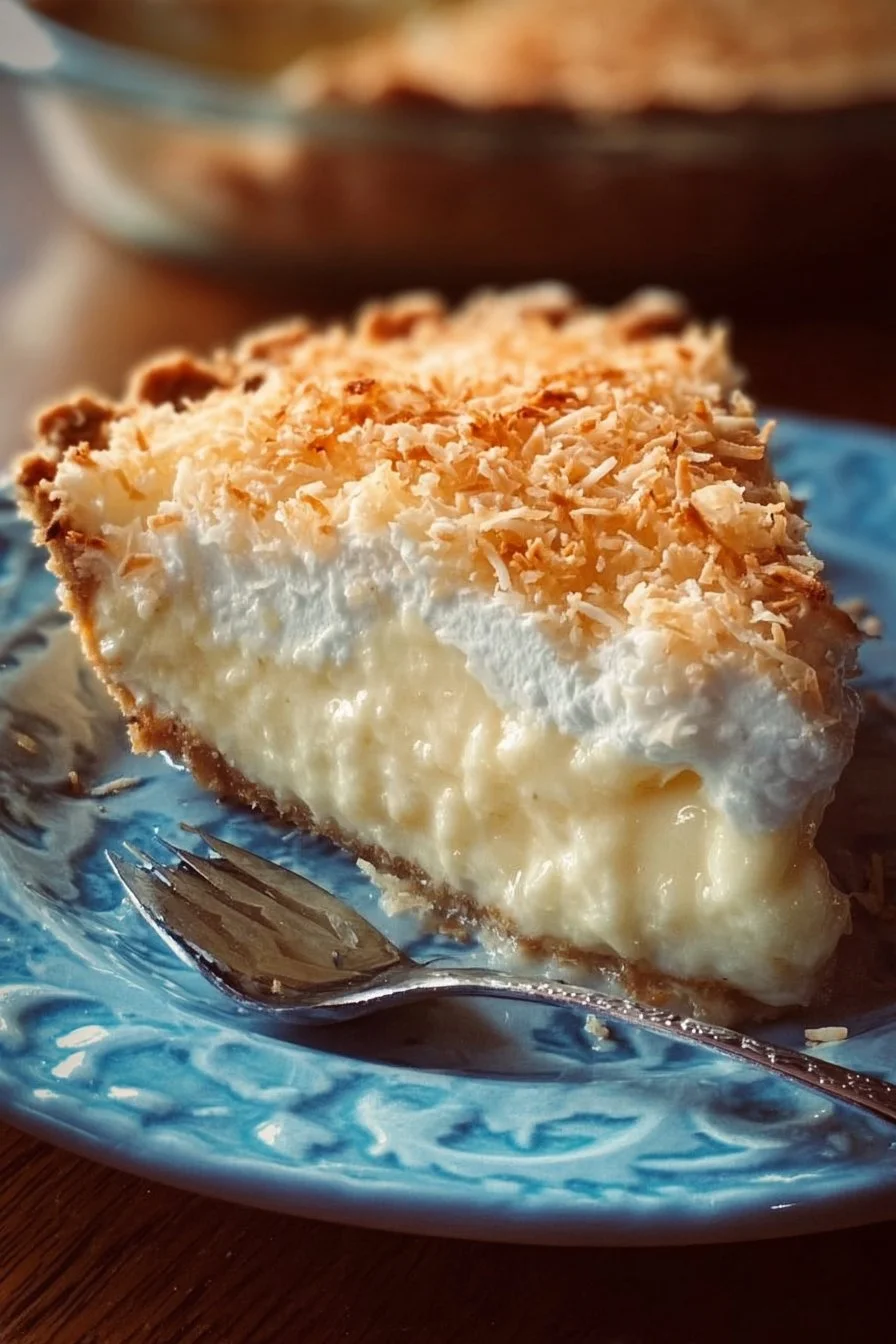
Finally: The Velvety Old-Fashioned Coconut Cream Pie Recipe
For many dessert enthusiasts, the mere mention of coconut cream pie conjures images of creamy perfection, a slice of tropical bliss resting on a flaky crust. Yet, for just as many, it brings a sigh of disappointment, a memory of past encounters with rubbery, bland, and frankly, offensive imposters. If you’ve ever pushed aside a slice of what was advertised as coconut cream pie in a restaurant, only to find a gelatinous, cornstarch-heavy filling that bore little resemblance to the real deal, you know the struggle. It’s a culinary betrayal that far too many of us have endured.
But what if we told you that the authentic, old-fashioned, homemade coconut cream pie of your dreams isn't just a nostalgic fantasy? What if we promised a recipe that delivers a truly velvety, rich, and utterly satisfying experience, one that has been perfected over decades and continues to earn rave reviews? Prepare to rediscover the true essence of this classic dessert.
The Quest for the Perfect Coconut Cream Pie: Why Most Fail
The journey to the perfect coconut cream pie is often fraught with pitfalls, primarily because many modern recipes prioritize speed over quality. This rush to the finish line often results in a filling thickened with cornstarch, leading to that unappetizing, jelly-like texture that distinguishes a poor pie from a phenomenal one. A proper coconut cream pie should be just that: creamy, not jiggly. It should melt in your mouth, not bounce off your spoon.
Our references, and indeed any connoisseur of this dessert, vehemently despise versions that miss the mark. A truly old-fashioned coconut cream pie is built upon a foundation of a flour-thickened, pudding-like custard. This method, while requiring a bit more patience, is the secret to achieving that signature velvety texture that defines excellence. It’s a testament to the wisdom of traditional baking, where shortcuts are shunned in favor of time-honored techniques and real, wholesome ingredients. This isn't a shortcut recipe with instant pudding or canned fillings; it's a dedication to the craft, yielding results that are well worth every moment of effort. It’s the kind of recipe that has consistently ranked among the top culinary favorites for over 15 years, proving its timeless appeal.
Unveiling the Secrets of a Velvety Coconut Cream Pie
The magic of a truly great coconut cream pie lies in its core: the custard filling. This isn't just any custard; it's a meticulously crafted base that sets it apart. Here's a breakdown of the elements that contribute to its unparalleled creaminess and flavor:
Flour-Thickened Custard: The Velvety Difference
At the heart of an authentic old-fashioned coconut cream pie is a filling thickened with flour, not cornstarch. While cornstarch works quickly, it often results in a glossy, somewhat brittle gel that can feel "jelly-like" when cold. Flour, on the other hand, creates a smoother, more opaque, and inherently creamy custard that holds together beautifully without sacrificing its melt-in-your-mouth quality. The starch granules in flour absorb liquid and swell more gradually, leading to a stable, rich, and integrated texture that is truly velvety. This is the difference between an acceptable pie and an extraordinary one.
Slow Cooking on the Stovetop: Patience Pays Off
This coconut cream pie filling is cooked slowly on the stovetop. This unhurried approach allows the flour to fully cook out, preventing any raw flour taste, and ensures that the custard thickens evenly and thoroughly. The gentle heat and constant stirring (a key component of any good custard) encourage the starches and egg yolks to emulsify properly with the milk and sugar, creating a homogenous, rich base. This slow dance of ingredients is what transforms simple farmhouse components into a luxurious, sliceable custard that holds its shape beautifully once chilled.
Real Ingredients, No Shortcuts
Just like a traditional Amish coconut cream pie, this recipe champions real ingredients over processed alternatives. Forget boxed mixes or canned fillings. We're talking about:
- Whole Milk or Cream: Provides the essential richness and body for the custard.
- Egg Yolks: Contribute to the custard's velvety texture, color, and depth of flavor, acting as a natural emulsifier.
- Granulated Sugar: Sweetens the pie, balancing the richness of the dairy and coconut.
- Pure Vanilla Extract: A crucial flavor enhancer. Invest in high-quality vanilla; its subtle notes elevate the entire pie, complementing the coconut rather than overpowering it.
- Shredded Coconut: The star of the show! Whether you prefer sweetened or unsweetened, ensure it's fresh and aromatic. Toasted coconut flakes make an excellent garnish, adding both flavor and textural contrast.
The foundation of any great cream pie also requires a perfectly flaky, pre-baked pie crust. Blind baking is absolutely non-negotiable here. It prevents a soggy bottom, ensuring your crust remains crisp and delightful, providing the ideal counterpoint to the creamy filling.
Topping It Off: Meringue or Whipped Cream?
Once your glorious, silky custard is chilling, the final decision awaits: how will you crown your masterpiece? This is where personal preference truly shines, and thankfully, both classic options are equally wonderful.
The Classic Meringue Topping
For those who adore the traditional "Grandma used to make" aesthetic, a golden, billowy meringue topping is the answer. Made from whipped egg whites and sugar, a meringue provides a delightful textural contrast—a light, airy sweetness that gives way to the rich custard beneath. A quick trip under the broiler or with a kitchen torch gives it those irresistible toasted peaks, adding a subtle caramelized flavor and a beautiful visual appeal. This style harkens back to diners and farmhouse kitchens, a true emblem of old-fashioned baking.
The Billowy Whipped Cream
If you're more inclined towards a fresh, lighter finish, a generous cloud of freshly whipped cream is an exquisite choice. Made with heavy cream, a touch of sugar, and vanilla, it adds a cool, dairy richness that beautifully complements the coconut custard. Many find the simplicity and pure dairy flavor of whipped cream to be the perfect counterpoint, allowing the coconut flavor to truly sing. This is a popular choice for those who prefer a less sweet topping or simply adore the luxurious mouthfeel of real cream.
Whichever topping you choose, a final sprinkling of toasted coconut flakes is always a welcome addition, providing both visual charm and an extra layer of coconut flavor and crunch.
Practical Tips for Your Best Coconut Cream Pie Ever
Crafting the perfect old-fashioned coconut cream pie is a rewarding experience, and a few key tips can ensure your success:
- Blind Bake Your Crust: This is paramount for preventing a soggy bottom. Prick the crust all over with a fork, line it with parchment paper, fill with pie weights or dried beans, and bake until the edges are golden. Remove weights and parchment, then bake for a few more minutes until the bottom is lightly golden and dry.
- Temper Your Eggs: When adding hot milk mixture to egg yolks, do so slowly, whisking continuously. This gradually brings the yolks up to temperature without scrambling them, ensuring a smooth, lump-free custard.
- Cook Custard Gently: Stir constantly over medium-low heat. The custard is ready when it thickens enough to coat the back of a spoon and leaves a clear path when you run your finger across it. Don't rush it; undercooking will result in a runny pie, while overcooking can lead to a less creamy texture.
- Strain the Custard: For an exceptionally silky-smooth filling, pour the finished custard through a fine-mesh sieve before pouring it into the pie shell. This removes any tiny bits of cooked egg or flour lumps.
- Chill Thoroughly: Patience is a virtue here. The pie needs several hours, preferably overnight, in the refrigerator to set properly. This chilling time not only allows the custard to firm up but also deepens the flavors.
- Coconut Preference: Sweetened shredded coconut is traditional for its tender texture and flavor. However, if you prefer less sweetness, unsweetened coconut can be used, adjusting sugar in the custard if desired. Toasting a small portion of coconut for garnish adds an extra layer of nutty flavor and visual appeal.
This isn't just a recipe; it's an experience, a journey back to a time when homemade truly meant from scratch, and quality was paramount. If you've enjoyed the rich, cooked custard base of an Amish Peanut Butter Cream Pie, you'll recognize the familiar, satisfying style of this Amish Coconut Cream Pie: Silky Custard, No Shortcuts, making it equally versatile for other cream pie variations like banana.
Finally, a coconut cream pie that lives up to its promise. One bite of this velvety, rich, and perfectly balanced dessert, and you'll understand why it's been beloved for generations. Say goodbye to disappointing, gelatinous imposters and welcome the real, old-fashioned, homemade coconut cream pie into your heart and kitchen. You'll thank yourself for discovering why this recipe is truly the one you’ve been searching for.
