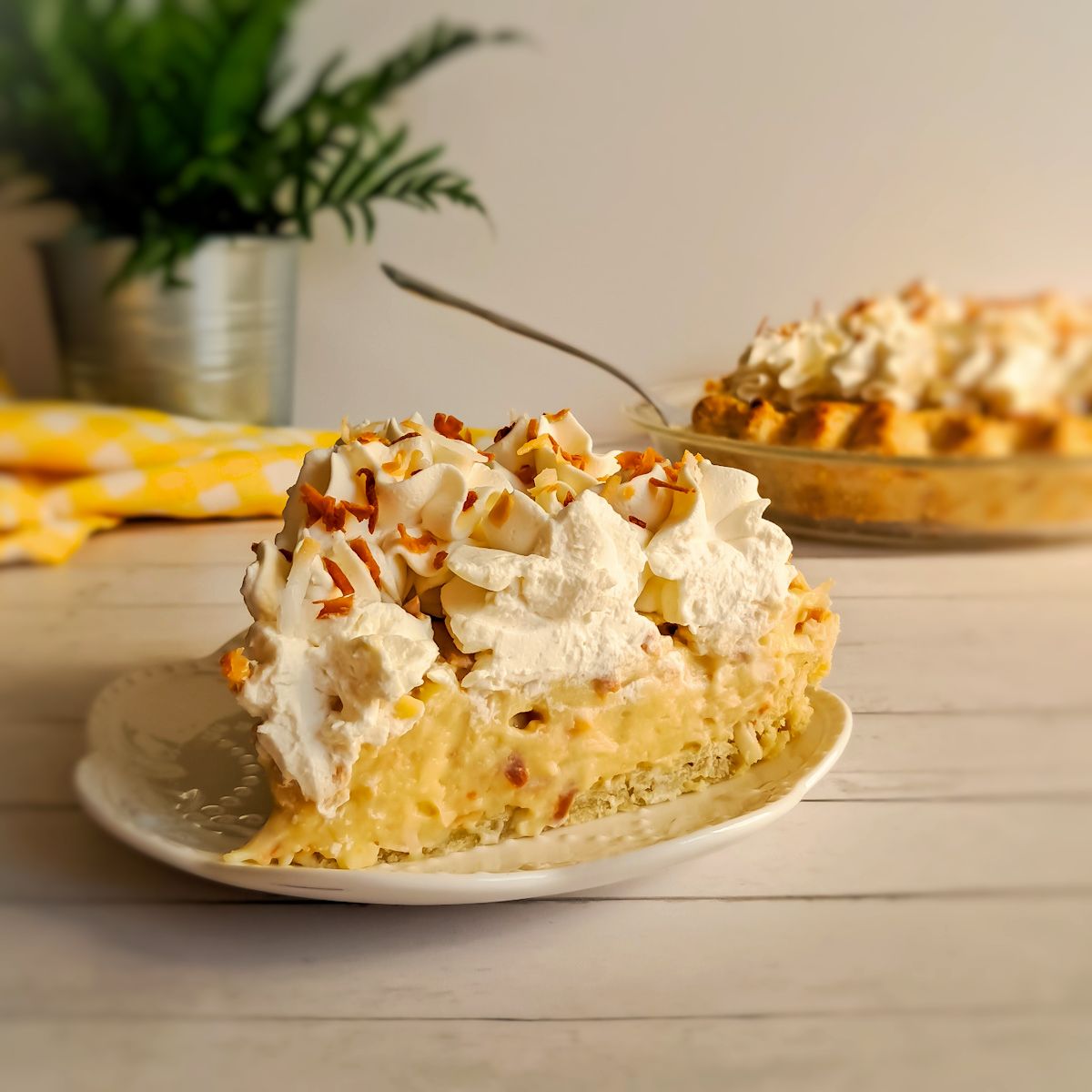
Amish Coconut Cream Pie: The Uncompromising Pursuit of Silky Custard Perfection
In a culinary world increasingly enamored with shortcuts and instant gratification, some traditions stand as steadfast beacons of true quality. Among them, the Amish Coconut Cream Pie shines brightest, a dessert that vehemently rejects compromise in favor of time-honored methods and real ingredients. For those who have grown weary of the "gelatinous slop" often masquerading as finally-the-velvety-old-fashioned-coconut-cream-pie-recipe.html">coconut cream pie in restaurants and bakeries, this article is a revelation. Prepare to discover the secret to a velvety, creamy, and undeniably authentic pie that will redefine your expectations and earn a permanent spot in your recipe collection.The Disappointment of Shortcuts: Why Most Coconut Cream Pies Fall Short
The experience is all too common: you order a slice of coconut cream pie, anticipating a dreamy, luscious dessert, only to be met with a wobbly, overly firm, and often bland concoction. This culinary letdown is typically a consequence of modern shortcuts – primarily the reliance on cornstarch or instant pudding mixes for thickening. While convenient, these ingredients often create a filling that is more akin to jelly than a rich, smooth custard. The texture is off, the flavor is muted, and the overall experience leaves much to be desired. A true, old-fashioned coconut cream pie should be an indulgent sensory experience: a filling that melts in your mouth, a subtle sweetness balanced by the fresh notes of coconut, and a texture so silky it almost defies description. It's a pie that evokes memories of Grandma's kitchen, where time was a cherished ingredient, not an enemy. The Amish tradition, deeply rooted in wholesome, scratch-made cooking, perfectly embodies this philosophy, ensuring every bite is a testament to authenticity.Unveiling the Amish Secret: The Silky, Flour-Thickened Custard
The heart and soul of an exceptional Amish Coconut Cream Pie lies in its unique, flour-thickened custard filling. Unlike its cornstarch-laden counterparts, this method yields a velvety texture that is rich and substantial without ever being gummy or overly jiggly. It's a key distinction that elevates the pie from merely good to truly sublime. The magic happens on the stovetop, where simple farmhouse ingredients – milk, sugar, eggs, and a touch of flour – are slowly cooked into a luscious, pudding-like custard. This gentle, unhurried process is crucial. It allows the flour to properly hydrate and thicken, creating a stable, smooth base that slices beautifully once chilled. The flour contributes a more complex mouthfeel, often described as "coating" the palate in a luxurious way, a stark contrast to the sometimes thin or overly slick texture of cornstarch-based fillings. This method isn't just for coconut cream pie. It's the same foundational technique used for classic cream pies like banana or peanut butter, demonstrating its versatility and reliability for creating deeply satisfying, creamy fillings. The result is a custard so rich and satisfying, you'll wonder why you ever settled for anything less. It’s a testament to the fact that sometimes, the simplest methods, when executed with patience and care, yield the most extraordinary results.Crafting Perfection: A Step-by-Step Approach to Amish Coconut Cream Pie
While the concept of "no shortcuts" might sound daunting, the process of making an Amish Coconut Cream Pie from scratch is surprisingly straightforward and incredibly rewarding. Here's how to ensure your pie reaches its full potential:- The Flaky Foundation: Start with a perfectly pre-baked pie crust. Whether you use your own homemade recipe or a high-quality store-bought option, blind baking is essential to prevent a soggy bottom. Ensure it's golden brown and fully cooked before adding the filling. This crisp, buttery shell provides the perfect counterpoint to the creamy interior.
- The Custard Concoction:
- Gentle Heat is Key: Combine your milk, sugar, eggs, and flour in a heavy-bottomed saucepan. Cook over medium-low heat, stirring constantly. This slow, steady process prevents scorching and ensures even thickening.
- Patience is a Virtue: The custard will gradually thicken. Don't rush it. You're looking for a consistency that coats the back of a spoon (nappe), similar to a thick pudding. It should bubble gently, signaling it's cooked through and safe to eat.
- Infuse with Flavor: Once thickened, remove from heat and stir in vanilla extract and your shredded coconut. Use unsweetened or lightly sweetened coconut for the best flavor balance, allowing the natural sweetness of the custard to shine.
- Cooling and Chilling: Pour the hot custard into your pre-baked pie crust. Cover the surface directly with plastic wrap to prevent a skin from forming, then allow it to cool completely at room temperature before transferring to the refrigerator. Chilling for at least 4-6 hours, or preferably overnight, is crucial. This allows the custard to set fully, ensuring those perfect, clean slices. Don't underestimate this step – a well-chilled pie is a beautifully sliced pie!
Pro Tip: For an extra layer of flavor, lightly toast a portion of your shredded coconut before adding it to the custard or using it as a garnish. This brings out a deeper, nuttier coconut aroma that enhances the pie's overall appeal.
